Related games








Published on: September 2026
Game technology: HTML5
Platforms: PC, Phone, Tablet
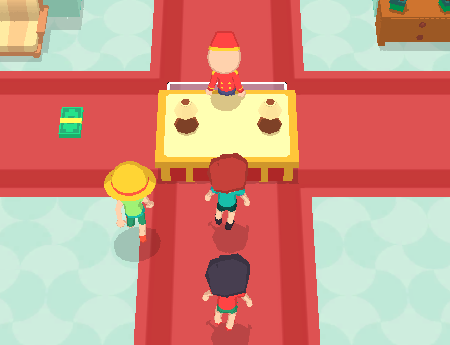
My Perfect Hotel is a management game where the player runs and expands a hotel. The game begins with a small property and a limited number of rooms, so the player has to handle many tasks personally. Guests must be checked in, rooms need to be cleaned after they leave, payments and tips have to be collected, and facilities must be kept supplied. There is no traditional story campaign with named characters or dialogue; progression is based on improving the hotel and opening larger properties.
Running the Hotel
At the beginning, the player moves around the building and performs most jobs manually. Guests arrive at reception, receive rooms, stay for a period of time, and leave money that can be collected and reinvested. As the hotel becomes busier, trying to complete every task alone becomes inefficient, so hiring staff becomes an important part of progression. Employees can take over routine work while the player concentrates on expansion and upgrades.
Rooms, Staff, and Facilities
Money earned from guests can be used for several types of improvements:
· opening additional hotel rooms;
· upgrading existing rooms;
· hiring employees;
· increasing movement speed;
· adding bathrooms and vending machines;
· opening restaurants;
· creating parking areas;
· adding swimming pools;
· improving different hotel facilities.
New facilities provide additional income, but they also create more work. Bathrooms need supplies, restaurants require customers to be served and tables cleared, while pools need clean towels and prepared loungers. Staff can be assigned to these tasks so guests do not have to wait for service.
Hotels and Progression
My Perfect Hotel does not use traditional numbered action levels. Instead, the player develops individual hotels and eventually moves on to larger properties. Different locations include hotels in coastal, mountain, and forest environments, with each property offering its own layout and upgrade path. The objective is to continue improving rooms, facilities, and staff until the hotel reaches higher ratings and produces enough income to support further expansion.
Movement is controlled by directing the manager around the hotel, while most actions happen automatically when the character reaches the correct area. A typical session consists of checking guests in, cleaning rooms, collecting money, buying upgrades, and moving between tasks that need attention. As more rooms and services are added, efficient movement and staff management become increasingly important because several guests may need assistance at the same time.
